TUGAS MPSI PERTEMUAN 2
Nama : Johannes g siregar
Kelas : 12.4B.38
Nim : 12174287
Berdasarkan PMBOK Edisi 5
Tugas Pertemuan 1
Project Integration Management is the umbrella that covers all your other project management knowledge areas. It knits together all your individual processes and tasks into one project with defined goals and deliverables.
If you’re looking at the big picture and how your project fits into your larger organization, this is the project management knowledge area you need.
Because this is the broadest area, you may want to save it for last or at least revisit it at the end of your project plan.
How many times have you started a project just to have extraneous tasks slipped in, making your completion times creep? This is why project scope must be well-defined and defended throughout the process.
Nearly all projects rely on several different timelines and the schedules of multiple people. Some team members may overestimate how much time it will take to complete a project in order to leave a cushion and not feel hurried. Others may underestimate their time. And, of course, unexpected problems will throw off your timeline as well.
With or without a budget, your project will cost money. Keeping costs low or at least at an expected or reasonable level is a fundamental part of showing ROI on a project. After all, if you can’t definitively lay out how much a project will cost, how will you be able to quantify if you’ve made any money?
In project management, quality isn’t the same as perfection. It’s not practical to spend the time and resources to take a project to perfection; and in many cases, that’s not even attainable. The goal of project quality management is to achieve consistency across your projects.
One of the most rewarding parts of this process is creating teams that click and helping individual team members grow and learn new tasks. That’s why this project management knowledge area is more than just setting schedules and assigning tasks.
How many times have you heard the phrase, “Keep me in the loop?” And yet, when changes happen, maybe important stakeholders were left out? There is a fine line between under and over communication and your communications management plan is crucial to identifying who needs to know what and when before your project starts.
The truth is that no project goes off without a hitch, and it’s unrealistic to look at a project and assume that everything will go smoothly.
If you can manage your firefighting by identifying major project risks and the mitigation plans associated with them, your team and project requesters will be prepared and more forgiving when issues in a project come up.
In some cases or areas of a project, you won’t have the resources or team members in house to complete a task. If you hire contractors or vendors to take on certain tasks, you’ll want them to be seamlessly integrated into the team.
Stakeholders include not only the project requester, but also team members who have worked on the project, contractors, suppliers, customers or the public, and many other people internal and external to the organization.
In this process the initiation process includes the introduction and phase of a project, and some organizations make a business case the purpose is to formally select and start the project. Some of the outcomes of this process are: Assignment of project managers, identification of stakeholders, business cases: documents containing reasons for initiating investment projects along with cost benefit analysis, and project charter and signatories.
Including the nine knowledge areas, the objective is to guide the implementation of the project. Some examples of output from this project: team contract documents, statements about the project scope, Work Breakdown Structure (WBS), project schedules in the form of Gantt Charts, all dependencies & resources needed , risk register
The process that requires the most time and resources so that project managers need leadership skills to overcome challenges during project execution and during execution, making milestone reports can help in the process of making a project manager.
Process that affects the entire process group and project lifecylce. Activities include: measuring project progress, monitoring deviations from the plan, and taking corrective action as an adjustment to current progress towards what has been planned. Outputs include: performance reports, change request reports and update reports on planning
How to obtain acceptance of stakeholders and users of the final product / service, even if the project is not finished, it must be formally closed. Project output in the form of: final project report, and percentage to senior sponsors / management.
Project Integration Management
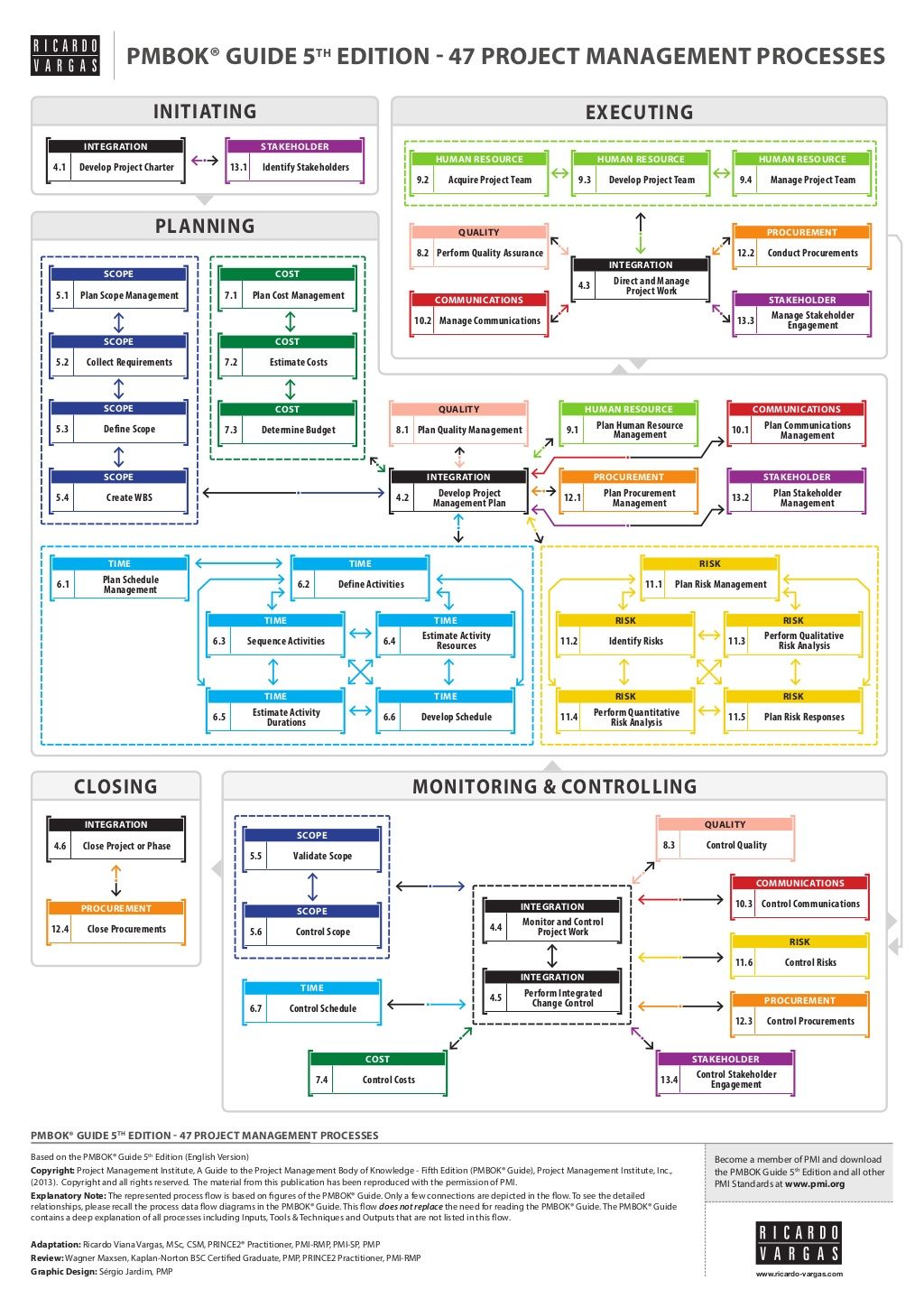
Project Integration Management includes the processes and activities to identify, define, and coordinate the various processes and project management activities within the Project Management Process Groups. Project Integration Management includes making choices about resource allocation, making trade-offs among competing objectives and alternatives, and managing the interdependencies among the project management Knowledge Areas.
Project Integration Processes
Develop Project Charter
Develop Project Management Plan
Direct and Manage Project Work
Monitor and Control Project Work
Perform Integrated Change Control
Close Project or Phase
Project Scope Management
Project Scope Management includes the processes required to ensure that the project includes all the work required to complete the project successfully. Managing the project scope is primarily concerned with defining and controlling what is and is not included in the project.
Scope Management Processes
Plan Scope Management
Collect Requirements
Define Scope
Create WBS
Validate Scope
Control Scope
Project Time Management
Project Time Management includes the processes required to manage the timely completion of the project. Project Time Management processes and their associated tools and techniques are documented in the schedule management plan. Project schedule development uses the outputs from the processes to define activities, sequence activities, estimate activity resources, and estimate activity duration in combination with the scheduling tool to produce the schedule model.
Project Time Management Processes
Plan Schedule Management
Define Activities
Sequence Activities
Estimate Activity Resources
Estimate Activity Durations
Develop Schedule
Control Schedule
Project Cost Management
Cost Management involves planning, estimating, budgeting, funding, and managing costs. Although estimating cost and determining budgets can be one process on small projects, PMI separates them into two processes because the exam assumes the PM is managing a large project. Many financial management techniques, such as ROI, payback, and discounted cash flow, are used during this process.
Project Cost Management Processes
Plan Cost Management
Estimate Costs
Determine Budget
Control Risks
Project Quality Management
Project Quality Management includes the processes and activities of the performing organization that determine quality policies, objectives, and responsibilities so that the project requirements are met. Project Quality Management uses policies and procedures to implement the organization’s quality management system, and it supports continuous process improvement activities.
Project Quality Management Processes
Plan Quality Management
Perform Quality Assurance
Control Quality
Project Human Resource Management
Project Human Resource Management includes the processes that organize, manage, and lead the project team. All team members should be involved in the planning process even though their skill sets and responsibilities vary. Participation increases acceptance and commitment to the project.
Project HR Management Processes
Plan Human Resource Management
Acquire Project Team
Develop Project Team
Manage Project Team
Project Communications Management
Project Communications Management includes the processes that are required to ensure timely and appropriate planning, collection, creation, distribution, storage, retrieval, and disposition of project information. This is the area that project managers spend most of their time doing. Effective communication can bridge the gap between cultural or organizational diversity.
Communications Management Processes
Plan Communications Management
Manage Communications
Control Communications
Project Risk Management
Project Risk Management includes the process of conducting risk management planning, identification, analysis, response planning, and controlling risk on a project. The objective is to increase the likelihood of positive risks (opportunities) and decrease the likelihood of negative risks (threats).
Risk Management Processes
Plan Risk Management
Identify Risks
Perform Qualitative Risk Analysis
Perform Quantitative Risk Analysis
Plan Risk Responses
Control Risks
Project Procurement Management
Project Procurement Management is the process of purchasing products and services for the project. Procurement management includes contract management and change control processes required to develop and administer contracts.
Project managers should create a procurement management plan and a procurement statement of work (including the terms and conditions), and send these documents to prospective sellers.
Procurement Management Processes
Plan Procurement Management
Conduct Procurements
Control Procurements
Close Procurements
Project Stakeholder Management
Project Stakeholder Management includes the processes required to identify the people or organizations that could impact or be impacted by the project, to analyze stakeholder expectations, and to develop appropriate stakeholder management strategies.
Stakeholder Management Processes
Identify Stakeholders
Plan Stakeholder Management
Manage Stakeholder Engagement
Control Stakeholder Engagement The Control Stakeholder Engagement process monitors overall project stakeholder relationships and adjusts strategies and plans for engaging stakeholders.
Jaringan komputer adalah sebuah sistem atau rangkaian yang terdiri dari dua komputer atau lebih, dimana antara satu komputer dengan komputer yang lainnya saling terhubung oleh sebuah sistem komunikasi, sehingga memungkinkan setiap komputer yang tergabung dalam jaringan tersebut dapat saling tukar-menukar data, program, dan sumber daya komputer lainnya seperti media penyimpanan, printer, dan lain-lain.
Selain itu melalui jaringan komputer yang menghubungkan komputer-komputer yang berada pada lokasi yang berjauhan, dapat juga terjalin komunikasi, seperti komunikasi melalui surat elektronik atau email, mengirim data atau upload dan mengambil data dari tempat lain yang disebut dengan download. Berbagai kegiatan lainnya yang berhubungan dengan komunikasi data, juga dapat dilakukan melalui jarangan komputer.
Jenis-jenis Jaringan Komputer dan Pengertiannya
Pada kesempatan ini akan dipublikasikan jenis-jenis jaringan komputer dan pengertiannya yang berdasarkan karaterianya dapat dibedakan menjadi 4 bagian, yaitu diantaranya adalah:
1. Berdasarkan jangkauan geografis dibedakan menjadi:
Jaringan LAN

merupakan jaringan yang menghubungkan 2 komputer atau lebih dalam cakupan seperti laboratorium, kantor, serta dalam 1 warnet.
Jaringan MAN
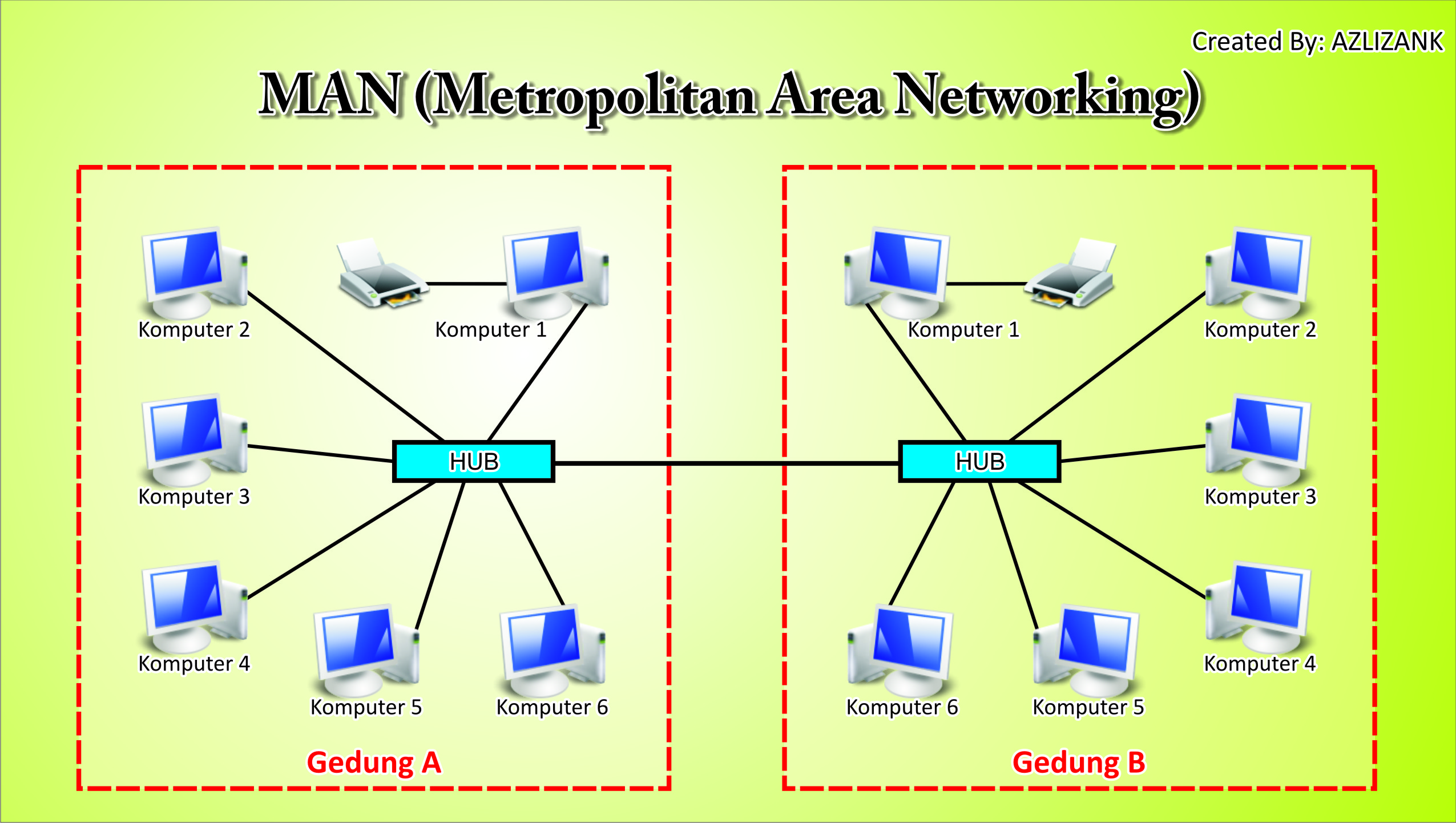
Merupakan jaringan yang mencakup satu kota besar beserta daerah setempat. Contohnya jaringan telepon lokal, sistem telepon seluler, serta jaringan relay beberapa ISP internet.
Jaringan WAN

Merupakan jaringan dengan cakupan seluruh dunia. Contohnya jaringan PT. Telkom, PT. Indosat, serta jaringan GSM Seluler seperti Satelindo, Telkomsel, dan masih banyak lagi.
2. Berdasarkan distribusi sumber informasi/data dibedakan menjadi:
Jaringan terpusat
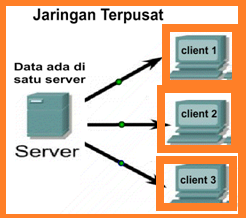
Jaringan ini terdiri dari komputer klient dan server yang mana komputer klient yang berfungsi sebagai perantara untuk mengakses sumber informasi/data yang berasal dari satu komputer server
Jaringan terdistribusi
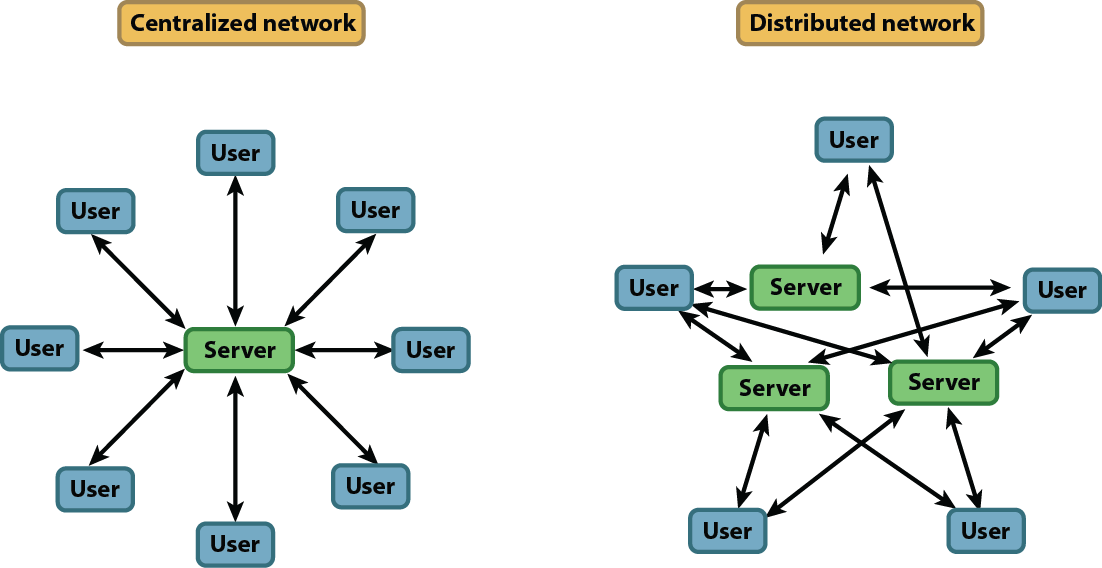
Merupakan perpaduan beberapa jaringan terpusat sehingga terdapat beberapa komputer server yang saling berhubungan dengan klient membentuk sistem jaringan tertentu.
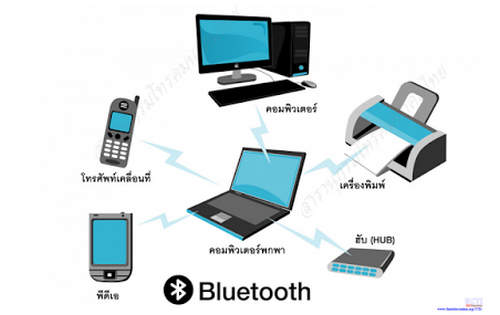
Pengertian Jaringan PAN (Personal Area Network) – Personal area network (PAN) adalah jaringan komunikasi satu perangkat lain dengan perangkat lain pada jarak yang sangat dekat, hanya dalam beberapa meter saja.
Sistem keamanan rumah berbasis komunikasi data, serta perangkat komunikasi publik seperti internet.
Kontrol pada PAN dilakukan dengan otoritas pribadi, dan untuk teknologi yang digunakan meliputi Wireless Application Protocol (WAP) dan Bluetooth.
| Pengertian Jaringan PAN (Personal Area Network) |
PAN ini terhubung melalui bus yang ada di komputer, seperti USB dan Firewire. PAN atau Personal Area adalah jaringan komputer yang digunakan untuk komunikasi antar perangkat komputer. Rentang PAN biasanya hanya beberapa meter.
PAN bisa digunakan untuk komunikasi antar perangkat pribadi itu sendiri (communicationintrapersonal).
Penggunaan Jaringan Area Pribadi1) Menghubungkan perangkat komputer2) Sebagai media komunikasi antar perangkat itu sendiri (personal communication)
Contoh Penggunaan Jaringan PANHubungkan HP dengan menggunakan LaptopBluetooth. Hubungkan mouse dengan menggunakan LaptopBluetooth. Menghubungkan Printer dengan Laptop menggunakan Bluetooth
Thanks for joining me!
Good company in a journey makes the way seem shorter. — Izaak Walton

 johannes gunawan siregar